
Blog
Puzzle Before Bed vs Scrolling: Why Puzzles Win for Sleep
Sleep science shows scrolling before bed delays sleep, suppresses melatonin, and cuts deep sleep. See why a pre-bed puzzle outperforms the phone, with the numbers.
By Chris Banas • May 22, 2026 • 5 min read

Iconic Puzzle Scenes in Movies and TV: What They Really Say About Us
From Citizen Kane's jigsaw to Squid Game's schoolyard trials, iconic puzzle scenes in movies and TV reveal how cinema turns problem-solving into our most flattering mirror.
By Chris Banas • May 17, 2026 • 5 min read
Are Word Puzzles a Form of Meditation? What the Science Says
Word puzzles share neural overlap with meditation through flow, insight, and reduced rumination. See what neuroscience and clinical trials actually show.
By Chris Banas • May 17, 2026 • 5 min read
Crosswords and Brain Health After 50: What 19,000 Brains Reveal
A landmark study of 19,078 adults links regular crosswords and number puzzles to sharper brains after 50. See the evidence, the caveats, and what actually protects cognition.
By Chris Banas • May 16, 2026 • 5 min read
Why Some Puzzles Feel Impossible: The Brain Science of Stuck
Why do some puzzles feel impossible even when they are solvable? Flow theory, cognitive load, and the neuroscience of insight explain the gap between hard and unfair.
By Chris Banas • May 13, 2026 • 5 min read
Logic Puzzles vs Word Puzzles: Which Is Actually Harder?
Logic puzzles and word puzzles tax different brain circuits. See what neuroscience says about which is harder, for whom, and why it matters.
By Chris Banas • May 13, 2026 • 5 min read
ChainIt and 4 More Daily Puzzles Like Wordle You Should Play in 2026
ChainIt is the daily word chain puzzle Wordle fans have been waiting for. Play ChainIt free and compare it with 4 more Wordle alternatives: Strands, Pips, Globle, and Cinematrix.
By Chris Banas • May 13, 2026 • 5 min read
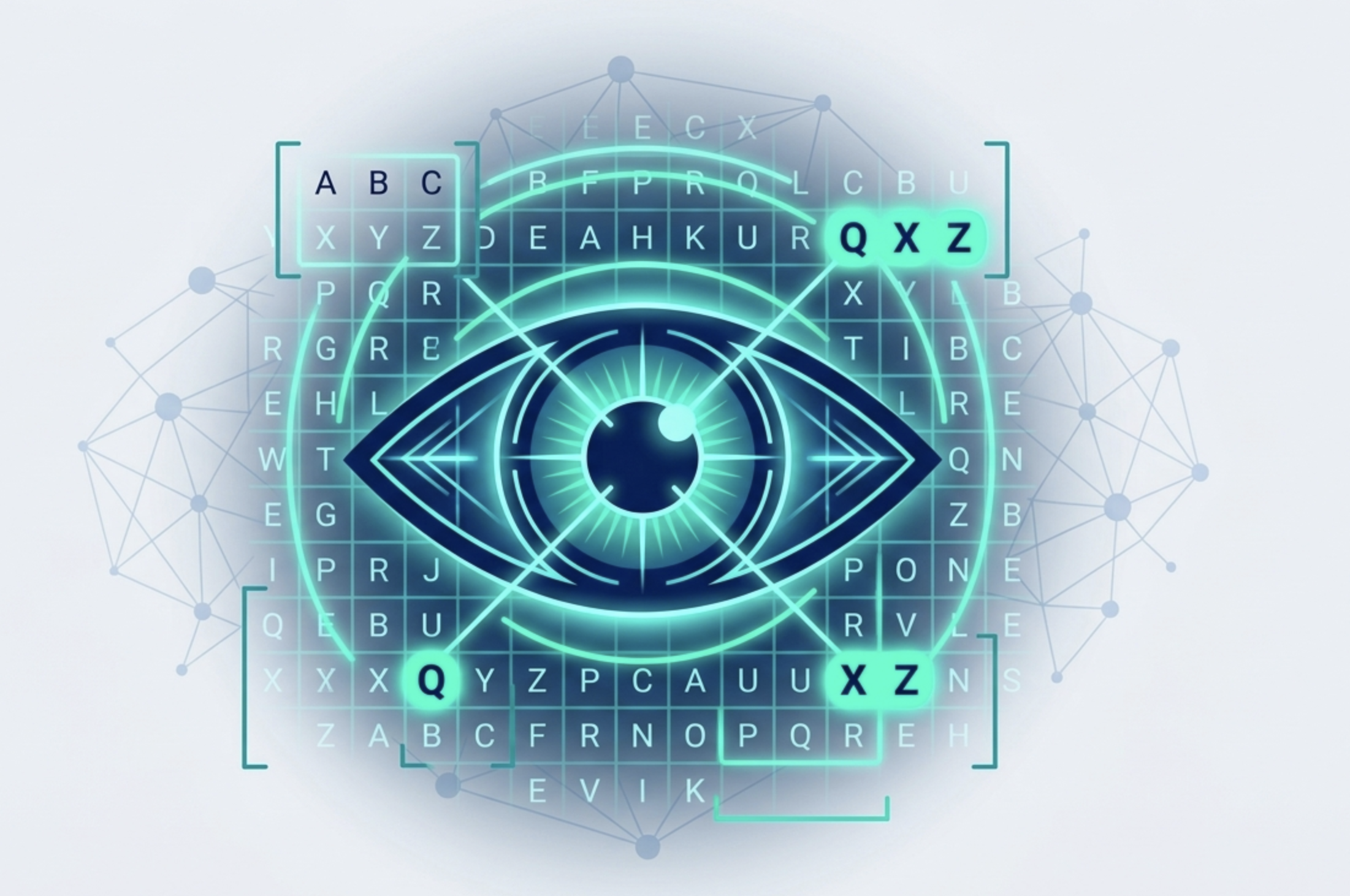
7 Techniques to Solve Any Word Puzzle Faster
Discover 7 science-backed techniques to solve word puzzles faster. Learn how eye-tracking research, chunking, and attentional control separate expert solvers from beginners.
By Chris Banas • March 11, 2026 • 5 min read
How Crosswords and Sudoku Reduce Anxiety: The Science Behind Puzzle Pages
Discover how newspaper-style puzzles like crosswords, Sudoku, and word searches reduce anxiety through measurable changes in cortisol, dopamine, and brain activity. Backed by peer-reviewed research.
By Chris Banas • March 9, 2026 • 7 min read
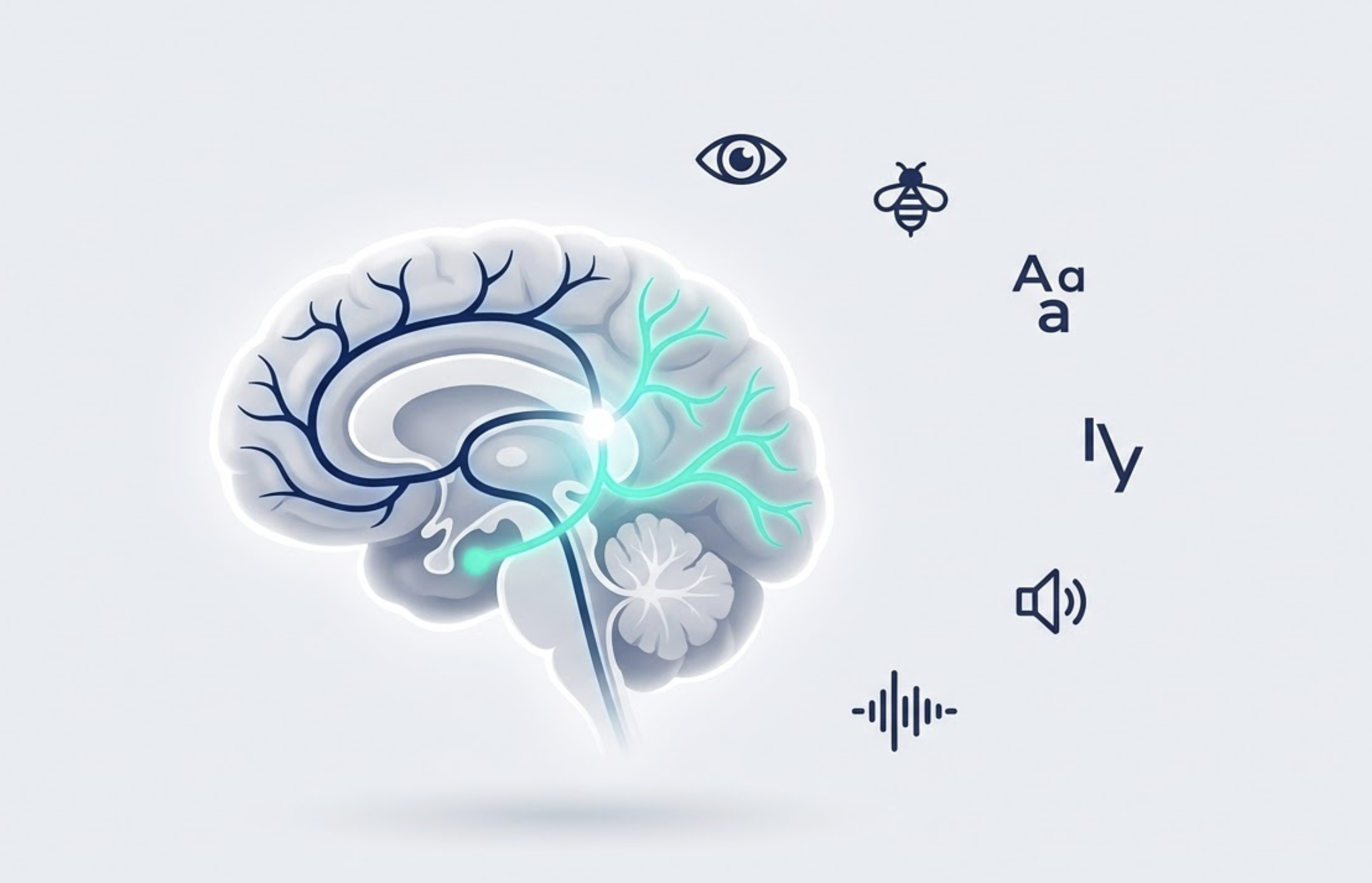
How Rebus Puzzles Enhance Memory: The Neuroscience Behind the Aha Moment
Discover why rebus puzzles are one of the most powerful tools for memory formation. Learn how dual coding, insight moments, and phonological processing combine to create durable long-term memories.
By Chris Banas • February 11, 2026 • 7 min read
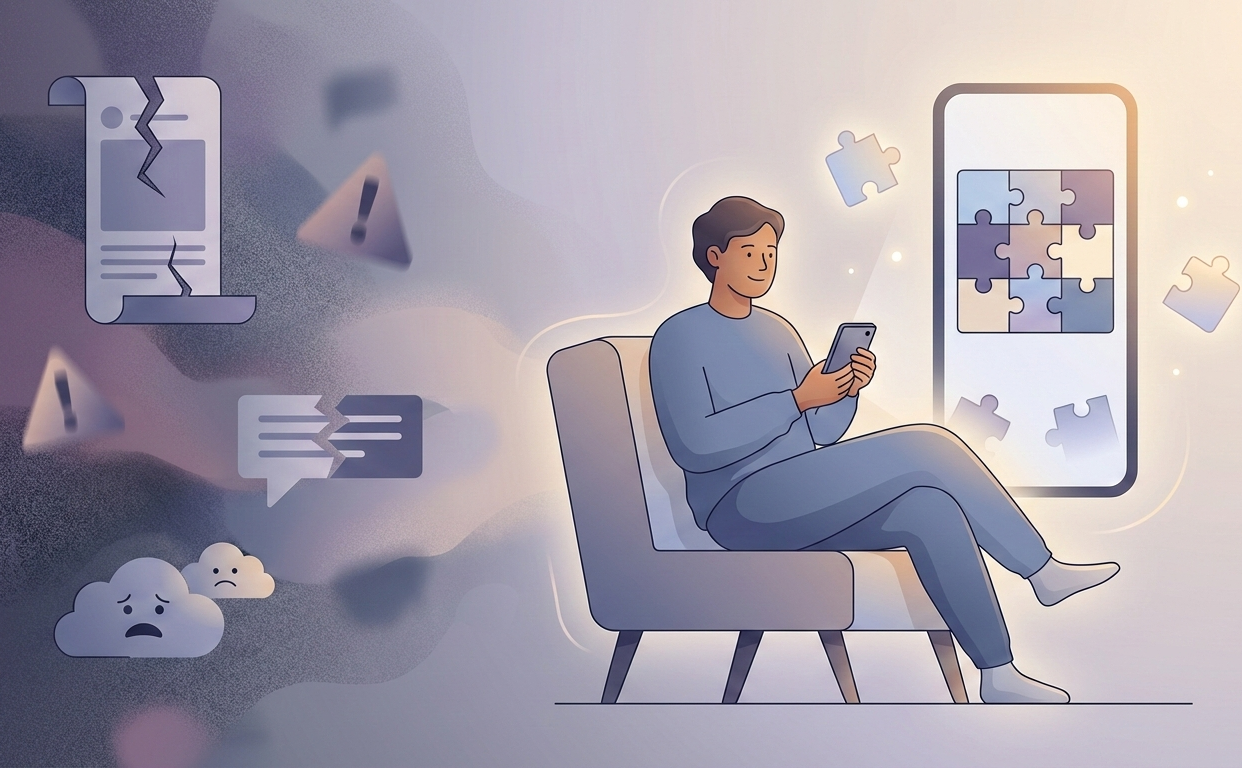
How to Prevent Doomscrolling with Puzzle Apps: Science-Backed Mental Health Solution
Discover how puzzle games can break the doomscrolling cycle. Research shows puzzle apps reduce depression by 57%, improve cognitive function, and provide better stress relief than mindfulness apps.
By Chris Banas • December 14, 2025 • 9 min read
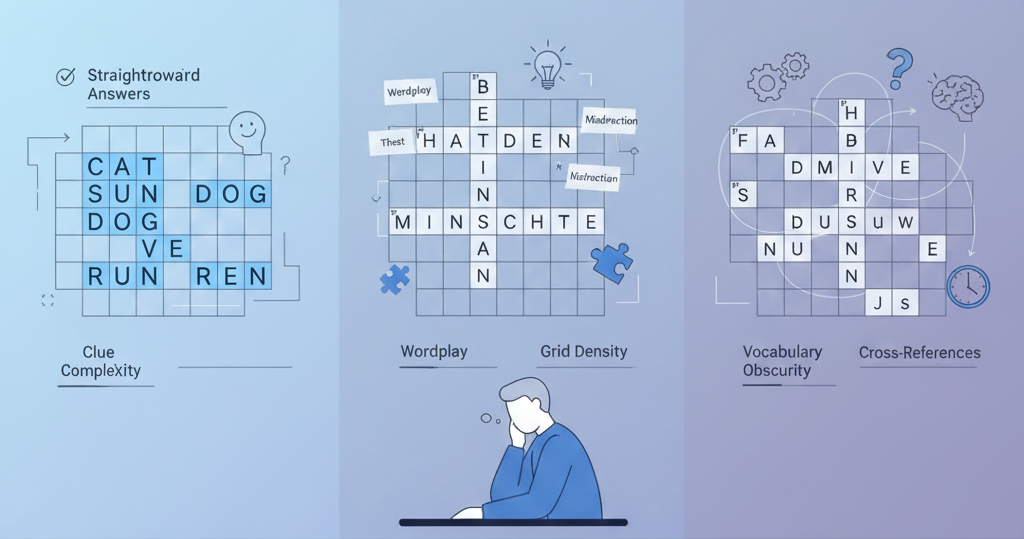
What Makes a Crossword Puzzle Difficult
Discover what makes a crossword puzzle difficult, from clue construction and wordplay to grid design and solver expectations, explained clearly for modern solvers.
By Chris Banas • December 13, 2025 • 5 min read
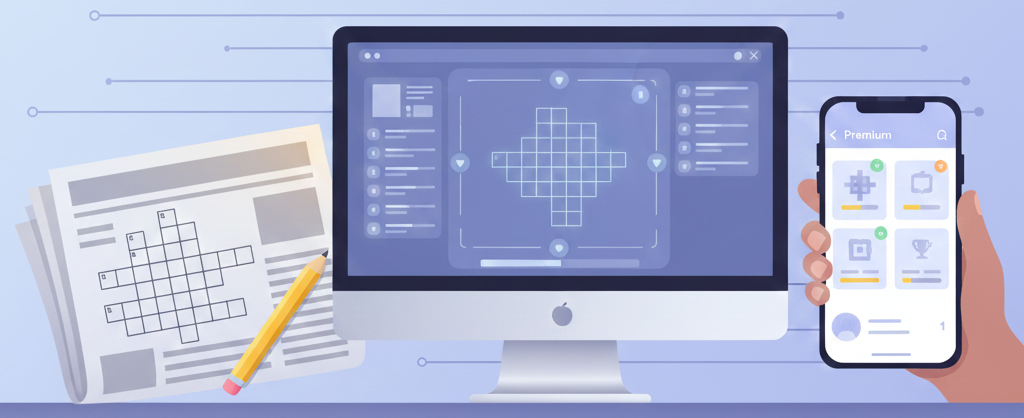
How Puzzles Moved From Newspapers to Web and Mobile Apps
Learn how puzzles evolved from newspaper grids to web and mobile apps, why the shift happened, and what modern puzzle apps do differently to keep solvers coming back.
By Chris Banas • December 13, 2025 • 7 min read